
Children’s activities marketplace on CS-Cart Multi-Vendor: Talario.ru
Children’s activities marketplace on CS-Cart Multi-Vendor.
Talario.ru is a marketplace of children’s activities with a catalog of 180+ offers from partners. The platform combines activity discovery, booking, analytics, and a basic SEO structure. At the start, the project was in an unstable state after the previous contractor and needed serious technical work before a proper launch.

Client goal
Launch the marketplace in production without rebuilding the platform from scratch
The order logic worked through a booking add-on, but it needed custom work. The age filter handled partners’ data incorrectly when formats were inconsistent. Some key events were not being tracked in analytics. Partner transitions, the main funnel channel for the marketplace, were not being accounted for at all.
Tasks
- customize order logic through the booking add-on
- fix the age filter for inconsistent partner data
- set up analytics for key events
- track partner transitions as the main marketplace funnel channel
- launch the marketplace in production without a full rebuild
What I did
Adapted the marketplace to the real workflow of choosing and booking children’s activities
Catalog tailored to service selection
The activity card reads like a service. Search and filters are tuned to child parameters and the activity format — the criteria parents actually use when choosing.
Age filter
Partners write ages in all kinds of formats: “from 3 years old,” “3–5,” “6+,” “for preschoolers.” I normalized these entries into a numeric range so the filter works with numbers.
Partner transitions
Every user departure to a partner’s site became a separate funnel event. In Yandex Metrica, you can see which activities and partners actually perform.
Bonus program
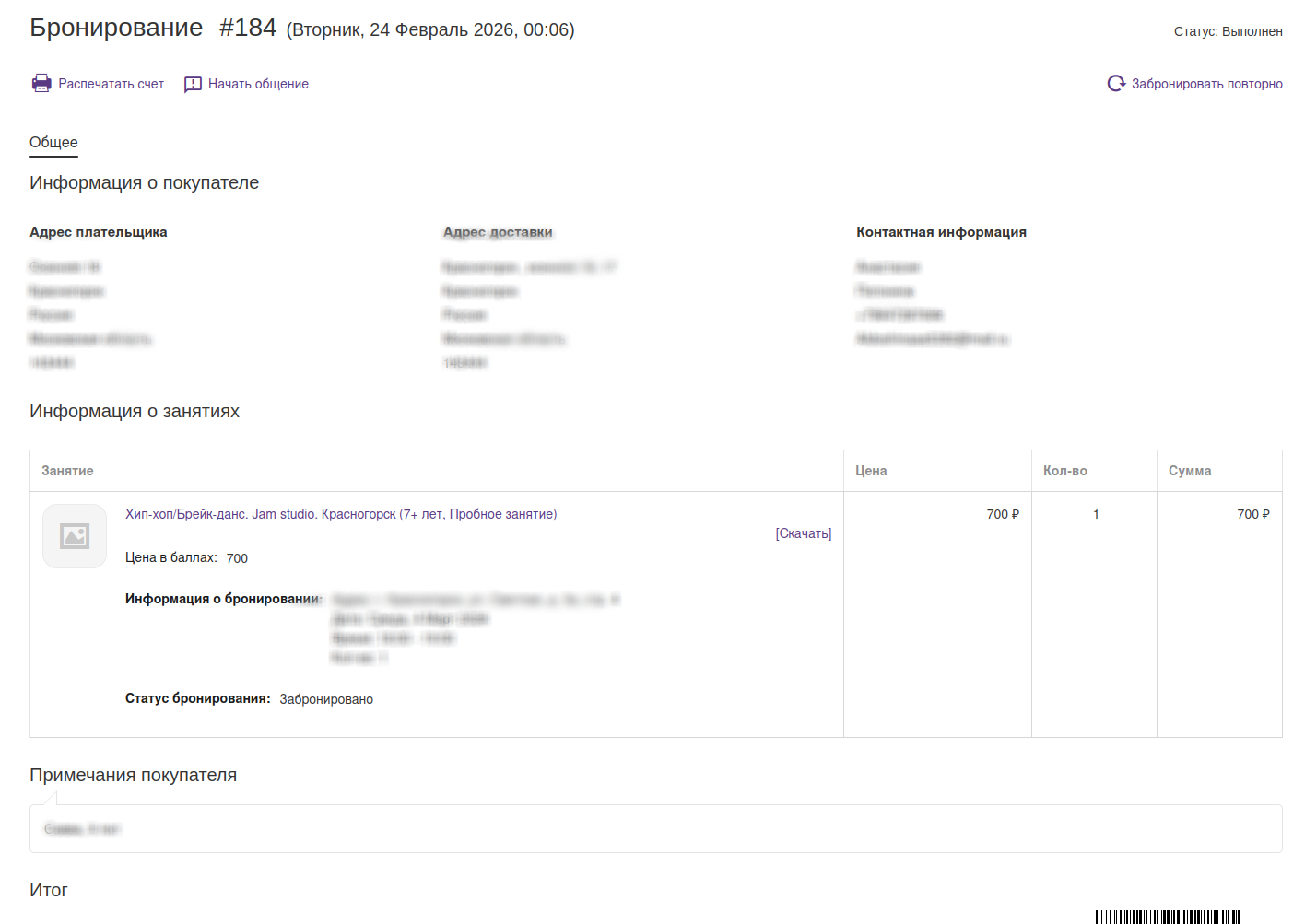
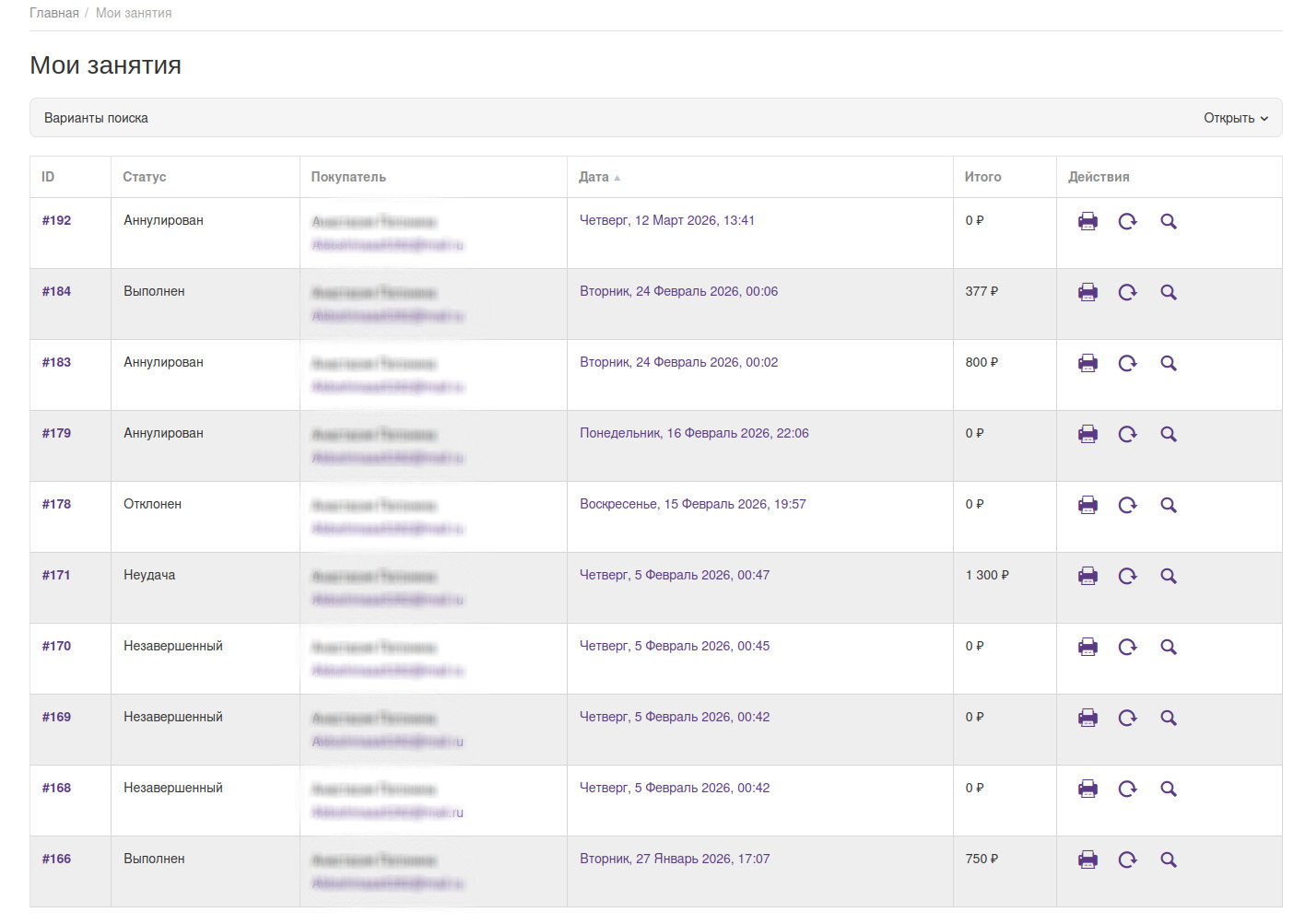
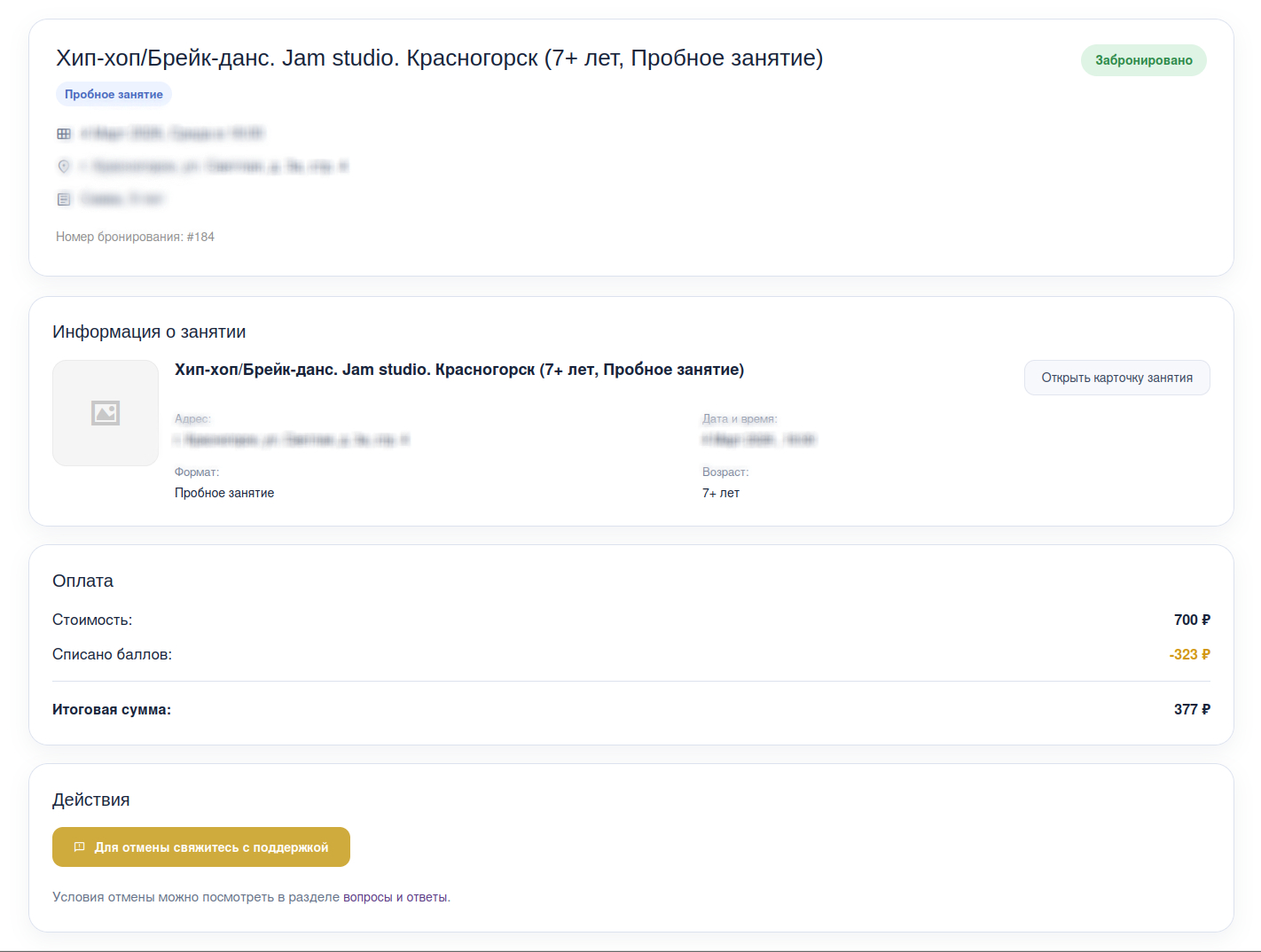
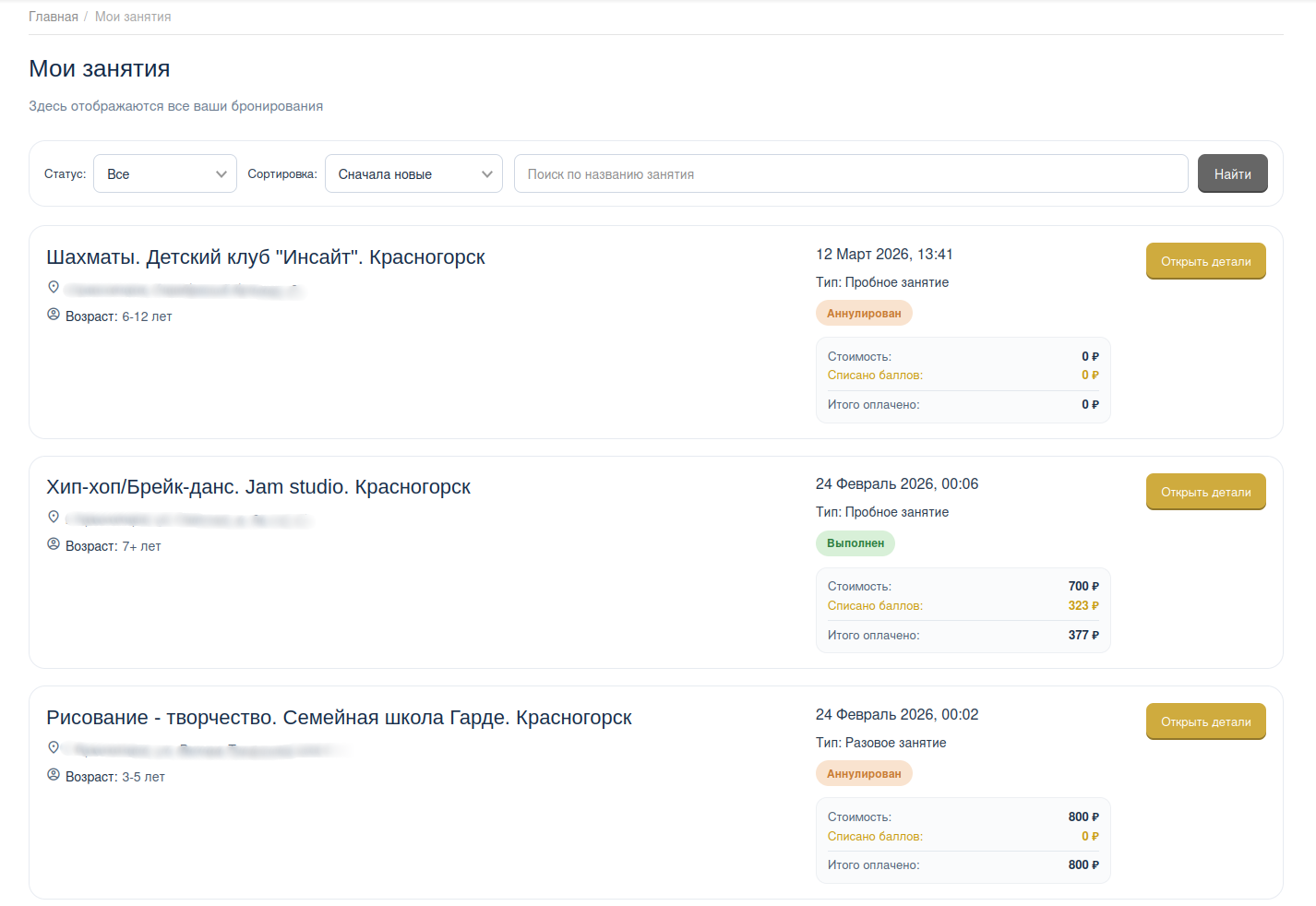
The welcome bonus is awarded only once. The share that can be applied in an order is limited. The logic is tied to booking statuses and does not disappear on cancellations.
Yandex Metrica events
Registrations, internal search, key catalog actions, partner transitions, and booking flows became measurable events.
SEO foundation
I cleaned up the catalog structure, human-readable URLs, activity pages, and filters so the site can be promoted for long-tail queries.
UI-UX
Adapted UniTheme2 to the parent’s journey from search to booking
I adjusted banners for mobile and desktop, filter behavior, activity cards, and selection and booking flows. I looked not only at the visuals, but also at the user journey: how a parent searches for an activity, compares options, and completes a booking.
What the client got
The main result is that the project moved from “almost ready” to a working marketplace. CS-Cart Multi-Vendor remained the foundation, but the critical workflows were adapted for services, bookings, partners, analytics, and SEO.
Frequently asked questions
Is CS-Cart Multi-Vendor suitable for a service marketplace?
Yes, with adjustments to some of the built-in logic. Multi-Vendor covers the core marketplace foundation: vendors, orders, role separation, and commissions. The product page, filters, checkout, and payment flow for services need to be customized.
Can booking be built on CS-Cart?
Yes. I implement it by customizing the product page, checkout, statuses, notifications, and analytics. A ready-made universal add-on usually covers only a simple scenario. If you have partners, bonuses, or a non-standard funnel, custom development is needed.
How can you build an age filter if age is written in different formats?
Through normalization at the database level. Any entry such as “from 3 years old,” “3–5,” “6+,” or “for preschoolers” should be converted into a numeric range. Then the filter works with numbers instead of matching random digits in a string.
What should be done with partner transitions to an external site?
They should be tracked as separate events in Yandex Metrica. The dashboard will show which offers and partners actually lead the user to a booking.
Can a CS-Cart project be rescued after a bad contractor?
In most cases, yes. A full rewrite is rarely needed. I start with a code and database audit, then give the client priorities and an execution plan.
LET’S GET STARTED
Describe the project — we’ll estimate it within 24 hours
We’ll tell you whether it is feasible, how long it may take, and what it may cost. Free and without obligation.
- Fixed price before work starts
- An agreement for each project
- Results warranty